
Live at Whammy
26 September 2026
Live Review by Music Journalist: Paul Marshall
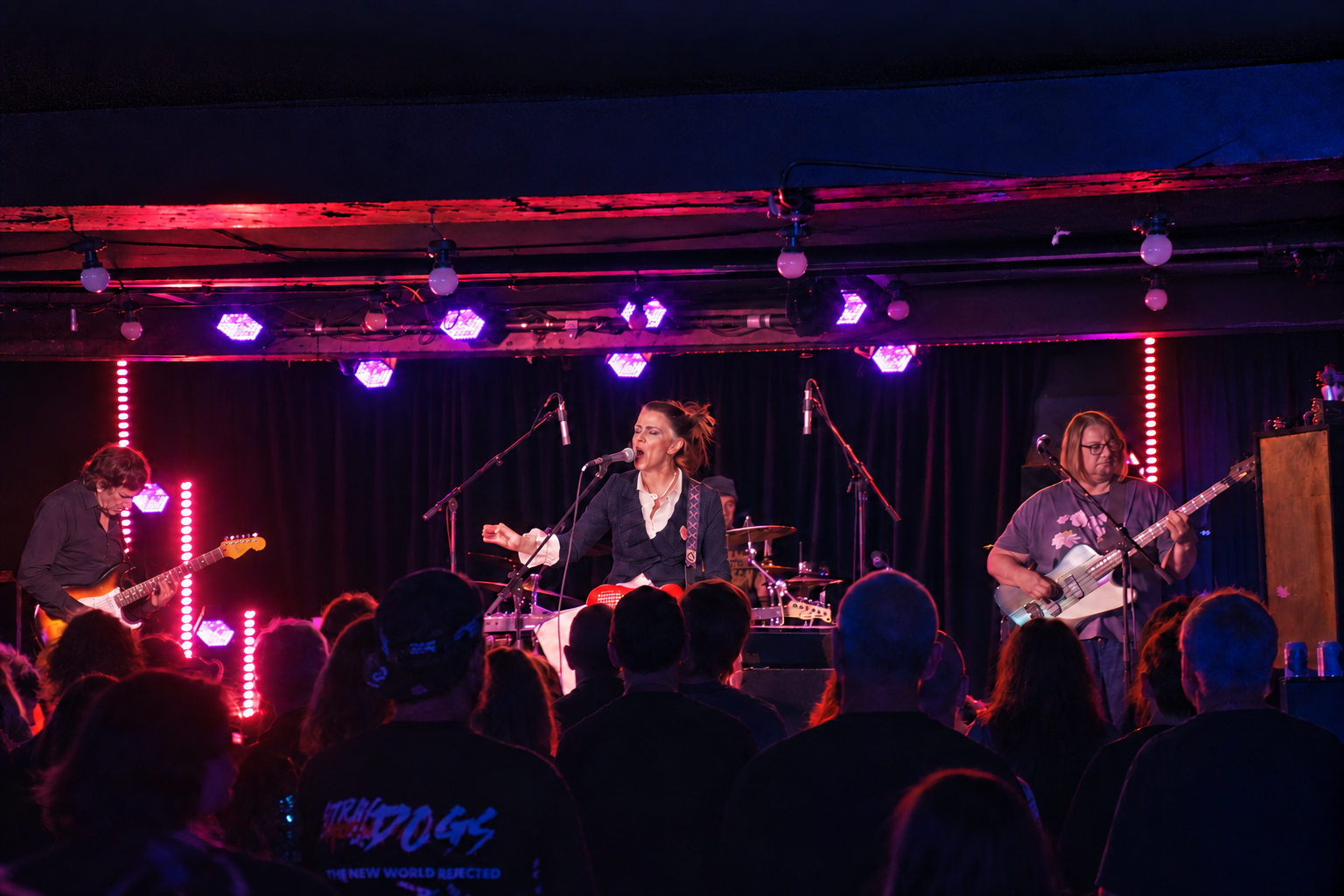
Other Voices Bring Siouxsie and the Banshees Back to Life at Whammy Bar.
There are nights when you go to a gig because you know exactly what you are going to get. Then there are nights when you walk through the doors of Whammy Bar on K Road and realise you're about to spend several hours travelling backwards through one of the most gloriously eccentric periods in British music.
Tonight is something different.
More precisely, tonight is Other Voices, a Christchurch four-piece who have spent the last several years bringing the music of the post-punk era back to life around New Zealand. Their Auckland history includes previous sold-out and venue-upgraded shows, and tonight's two-hour Siouxsie and the Banshees showcase promises everything from punk beginnings to the band's iconic post-punk years.
For me, that's enough reason to be here.
But before the Banshees arrive, there is another trip down memory lane.
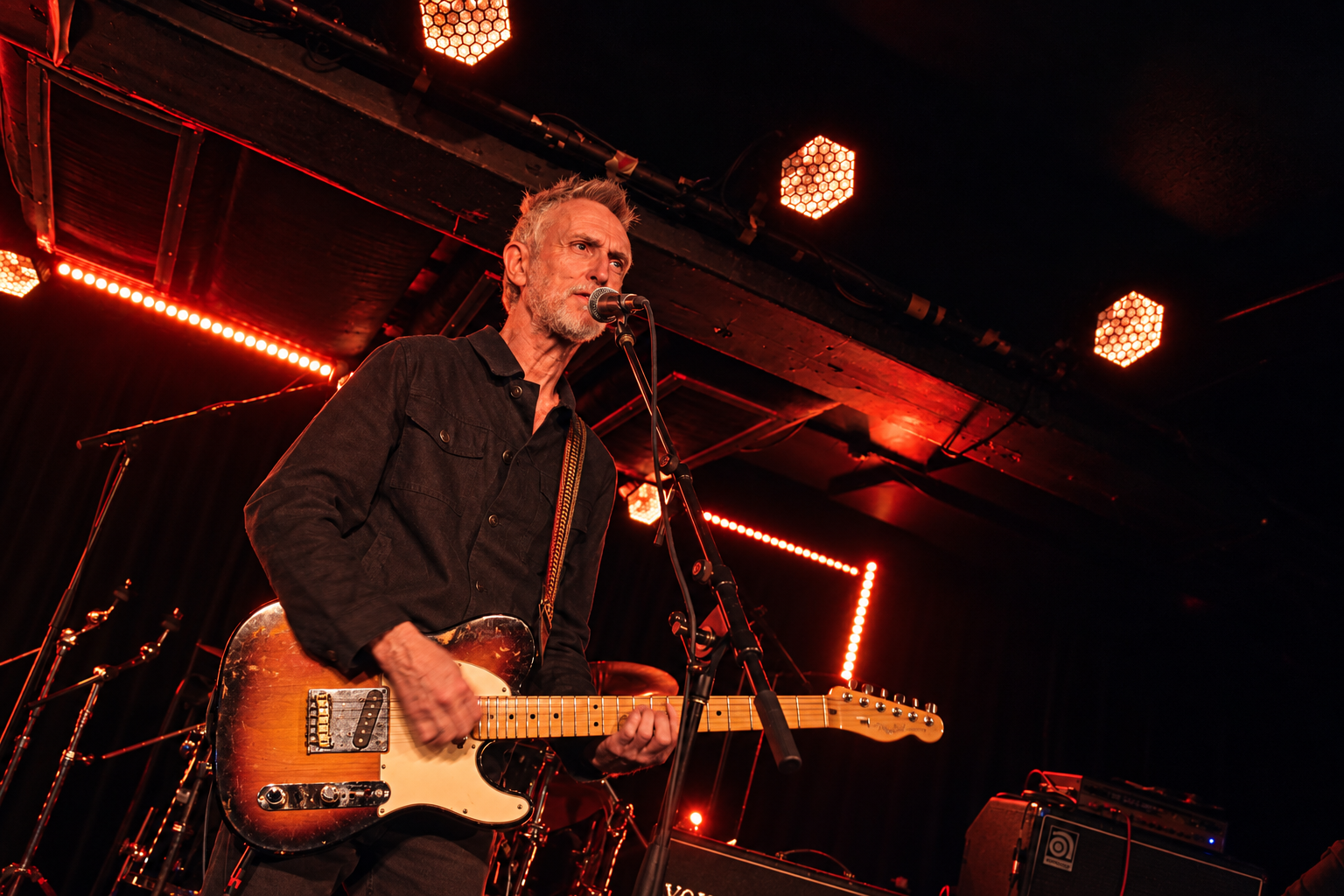
First up is Transmitter, featuring Greg Edwards on guitar and vocals, Simon Dibble on keys and vocals, David Colborn on bass and Mike Paterson behind the drums.
The first song I hear as I enter is XTC's brilliant "Making Plans for Nigel", and immediately the bar is set pretty high.
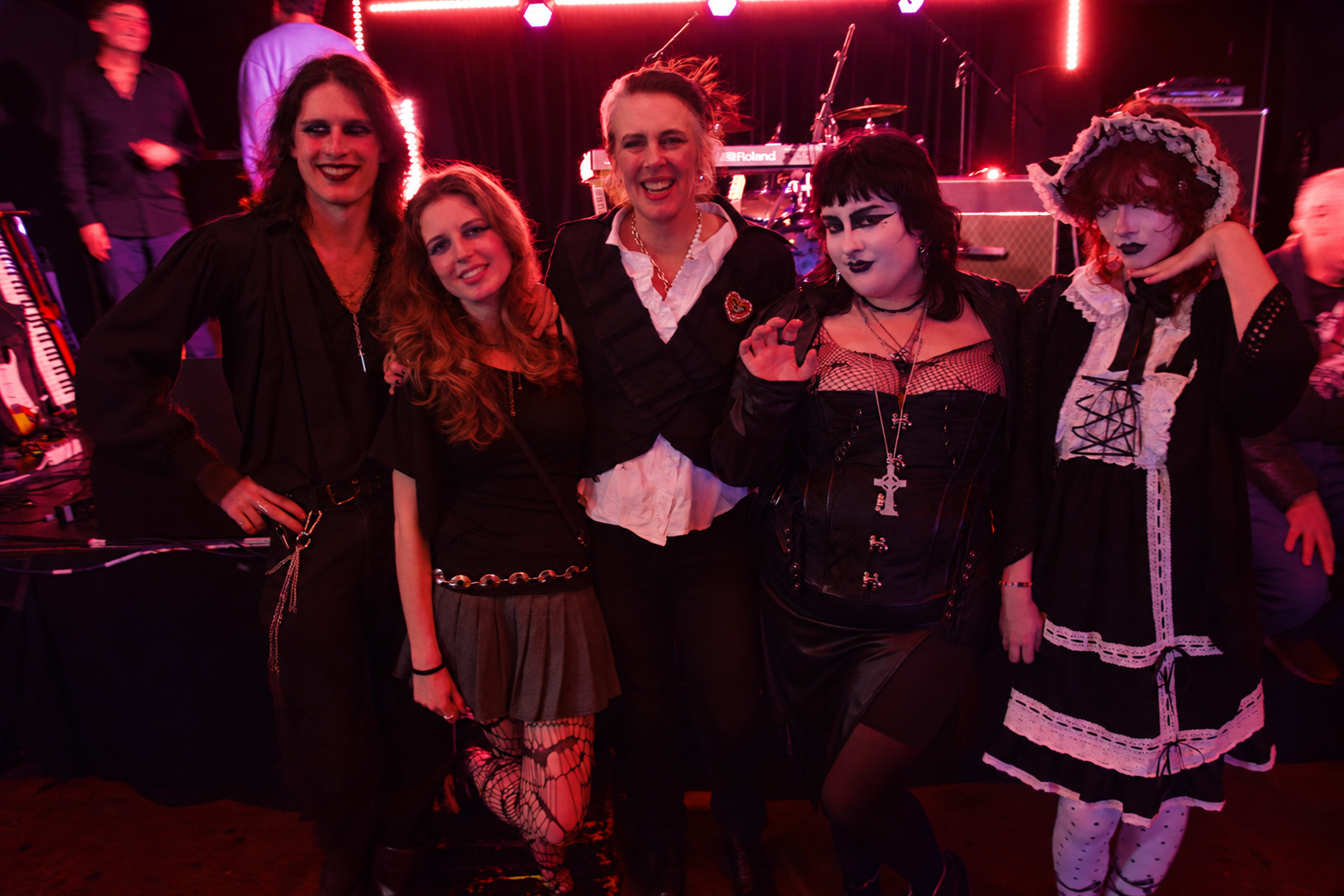
The place is busy. People are dancing. Others are head-nodding. There is an eclectic mixture of ages, backgrounds and dress sense, although perhaps not quite as many punks as I had expected. What there is, however, is something arguably more important: an audience of people who genuinely love this music.
Transmitter's set is essentially a musical history lesson without the boring bits.
The Smiths' "This Charming Man" gets the treatment, although Edwards is tied to his microphone because he's also playing guitar. Unlike Morrissey, he doesn't have the luxury of abandoning the instrument and roaming the stage.
Then comes The Cure's "Just Like Heaven", and musically it's particularly good. Edwards' vocals, however, are noticeably more polished than Robert Smith's famously wounded delivery. There's a little too much polish and not quite enough angst.
But this is where reviewing a covers band gets complicated.
You're not asking one singer to sound like one singer. You're asking them to jump between a whole collection of completely different vocal personalities. That's considerably harder than it looks, and Edwards is actually very well suited to several of the artists they tackle.
The Jam is a particular highlight.
So too is, The Buzzcocks' "Ever Fallen in Love (With Someone You Shouldn't've)", where Edwards sounds completely at home.
Echo & the Bunnymen, The Jam and other post-punk staples fill out the set.
The musicianship is there.
What I occasionally find missing is the theatre.
Colborn remains seated for the entire performance, and while nobody can question his ability as a bass player, there is a point where musicianship and performance have to meet somewhere in the middle.
This isn't a rehearsal room.
The audience has come to hear the music, sure, but they've also come to see a show.
Still, Transmitter does exactly what a support act should do: it warms the room, reminds everyone just how ridiculous the quality of music coming out of Britain in this era was, and leaves the audience hungry for the main event.
After a brief intermission, the stage is rearranged and the next band's backline starts appearing.
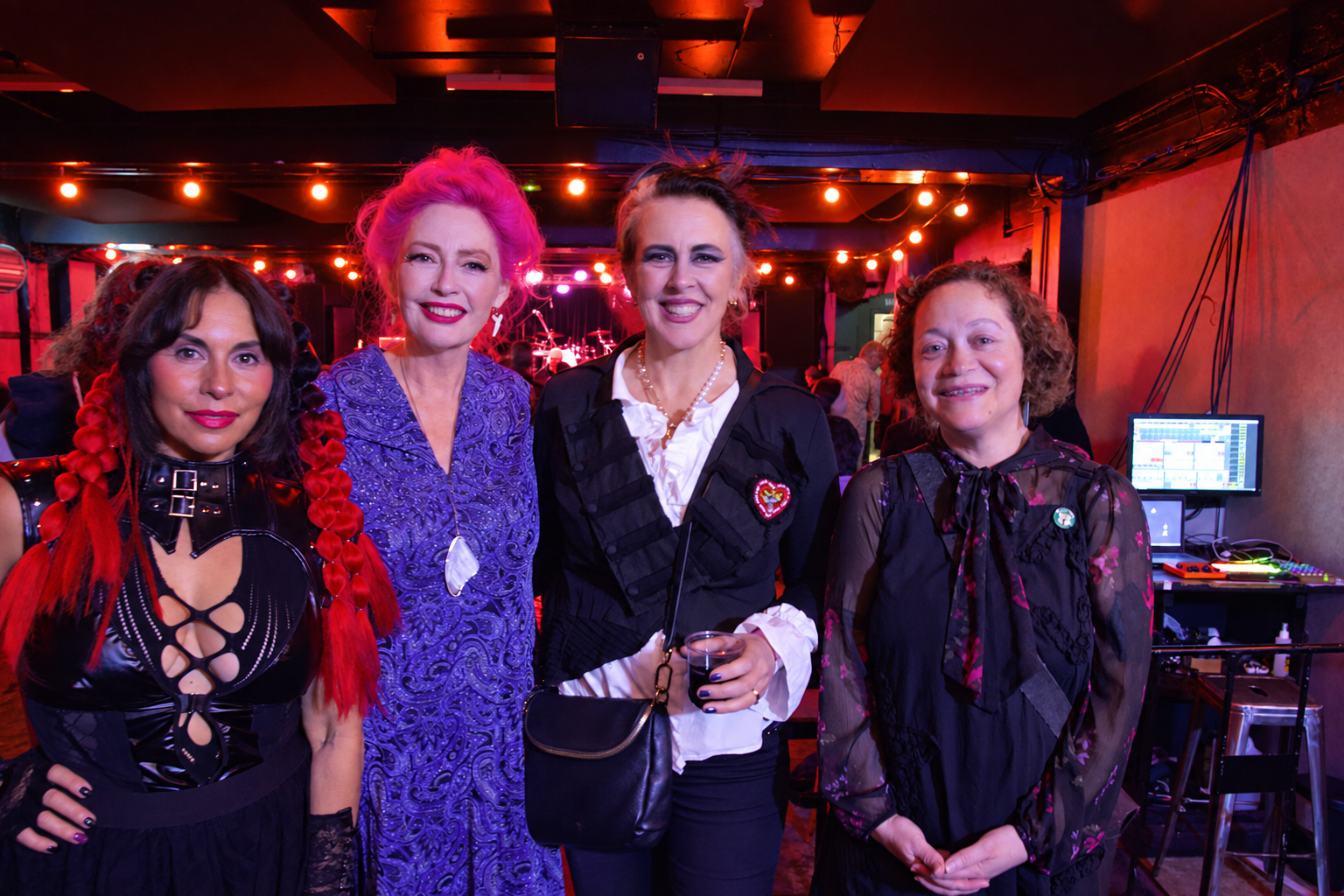
I chat with a few people in the audience. There's a sense of anticipation building.
Then the lights go down.
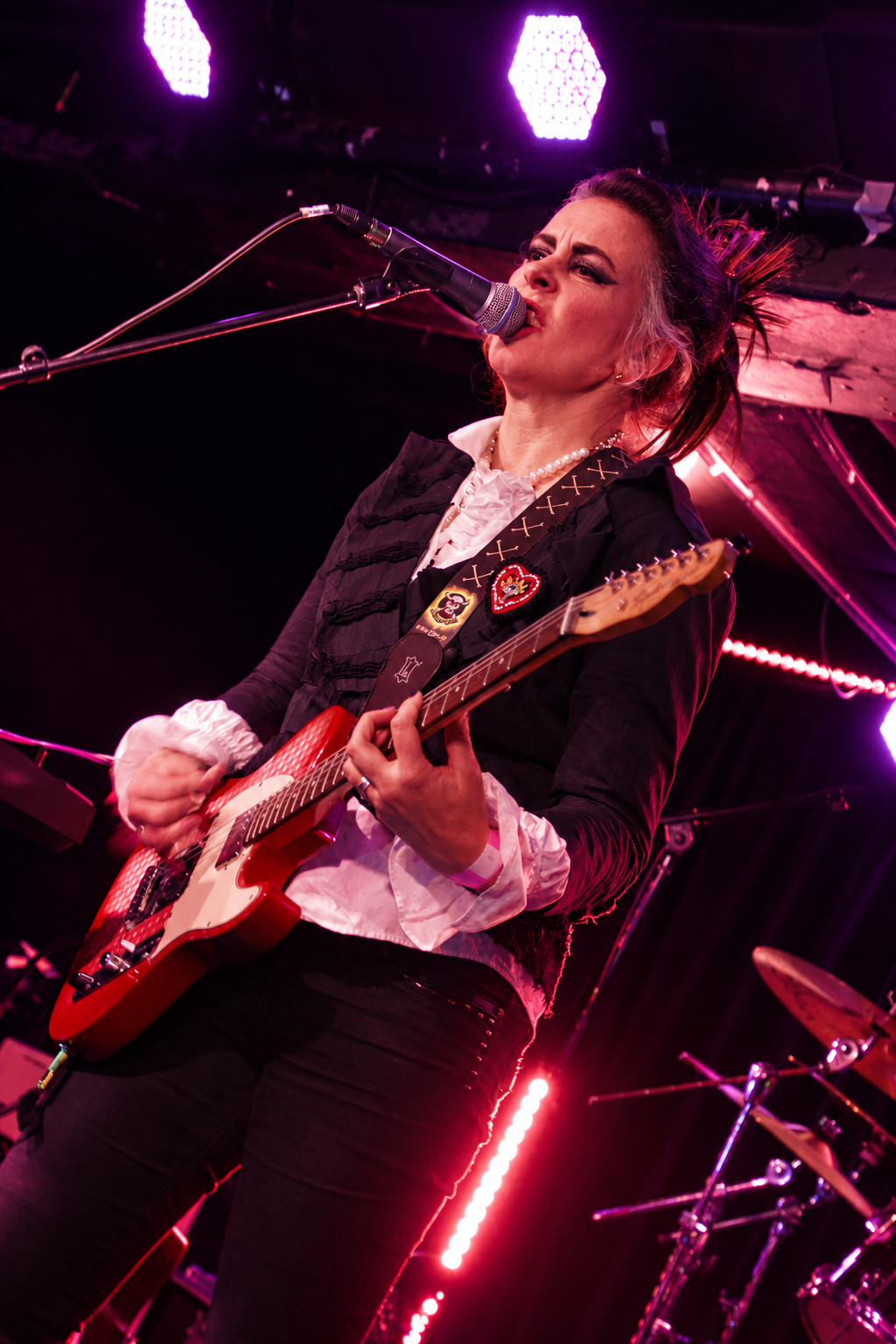
Other Voices take the stage.
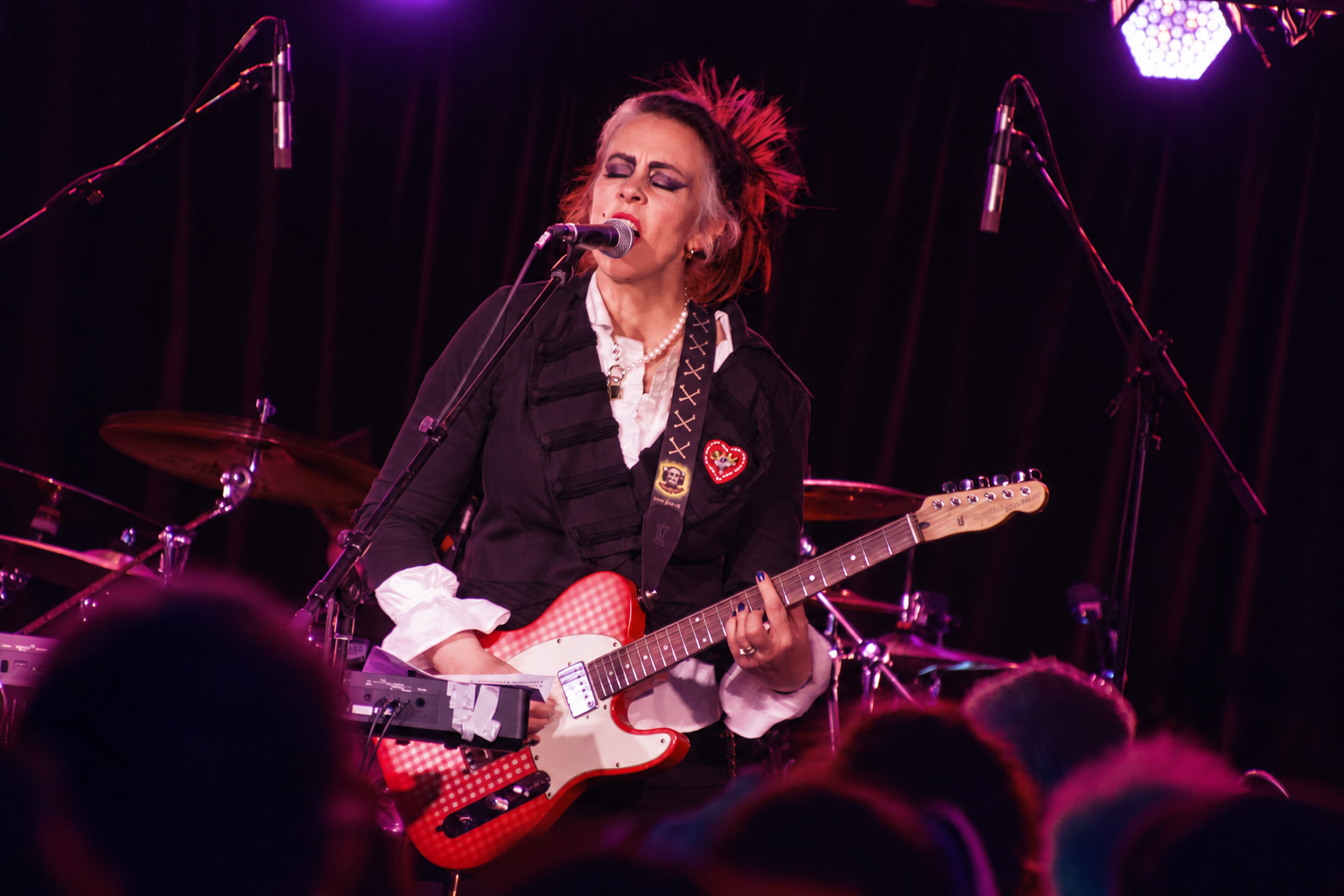
Penny Cain handles vocals, guitar and keyboards, alongside Linda Baran on bass, Nick Ford on guitar and Wade Byers on drums and samples. The set draws from almost every period of the Banshees catalogue, from their early punk years through the atmospheric post-punk classics that made them such an influential band.
And they open with "Night Shift."
That's a serious statement.
The song comes from Juju, my favourite Banshees album, and its brooding, atmospheric intensity immediately changes the temperature of the room.
This is the sound I came for.
Then comes "Dear Prudence", a cover of a cover, the Banshees' version being their interpretation of the Beatles song and it starts a little shakily.
Then Cain begins to sing.
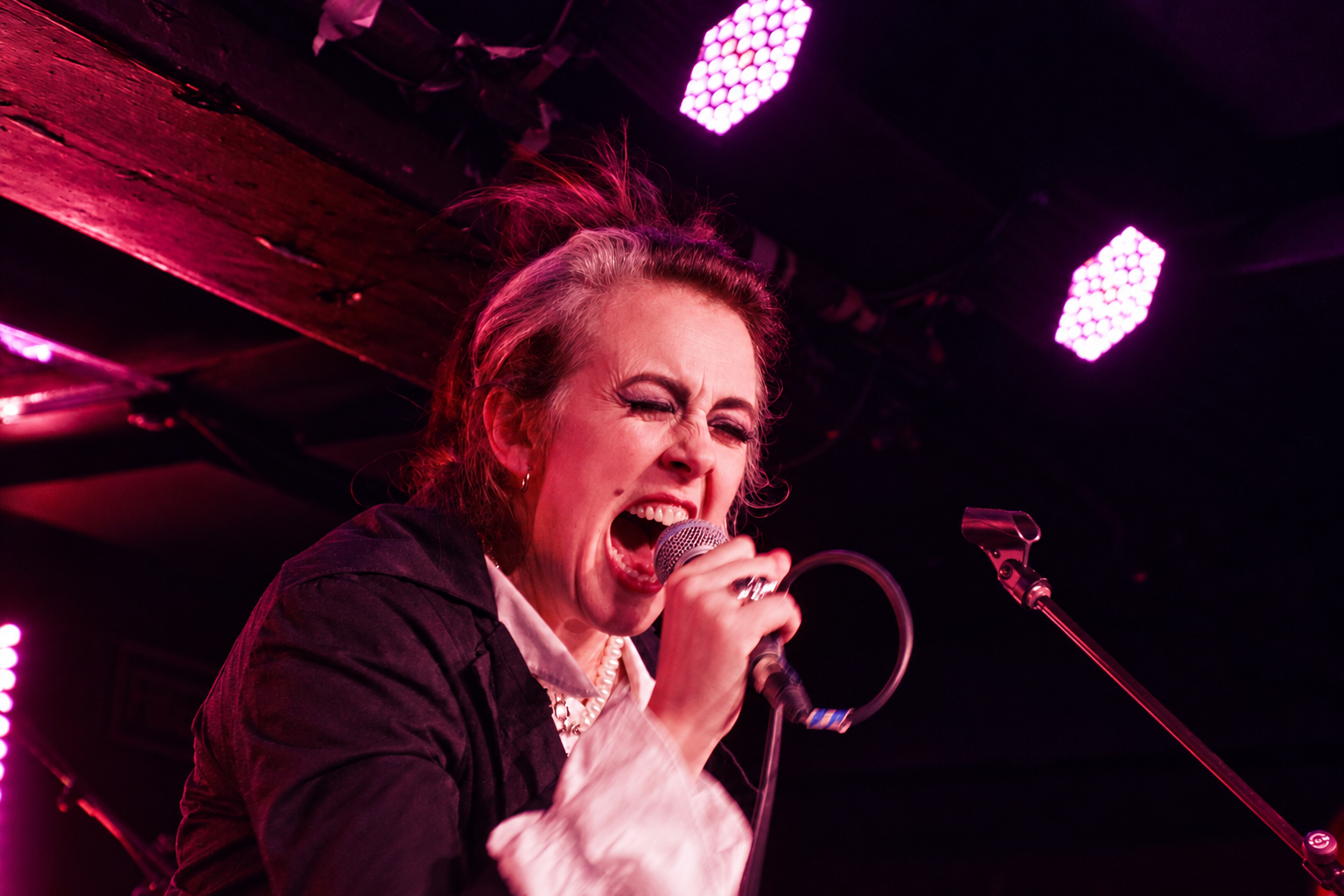
And suddenly everything clicks.
Her voice isn't Siouxsie, those are some very large shoes to fill, but it gets surprisingly close in places. There are moments where the resemblance is almost uncanny, while still retaining enough of Cain's own character to stop this becoming a cheap impersonation.
That's important.
You're not going to replace Siouxsie Sioux.
You're trying to capture the spirit.
And Cain does that remarkably well.
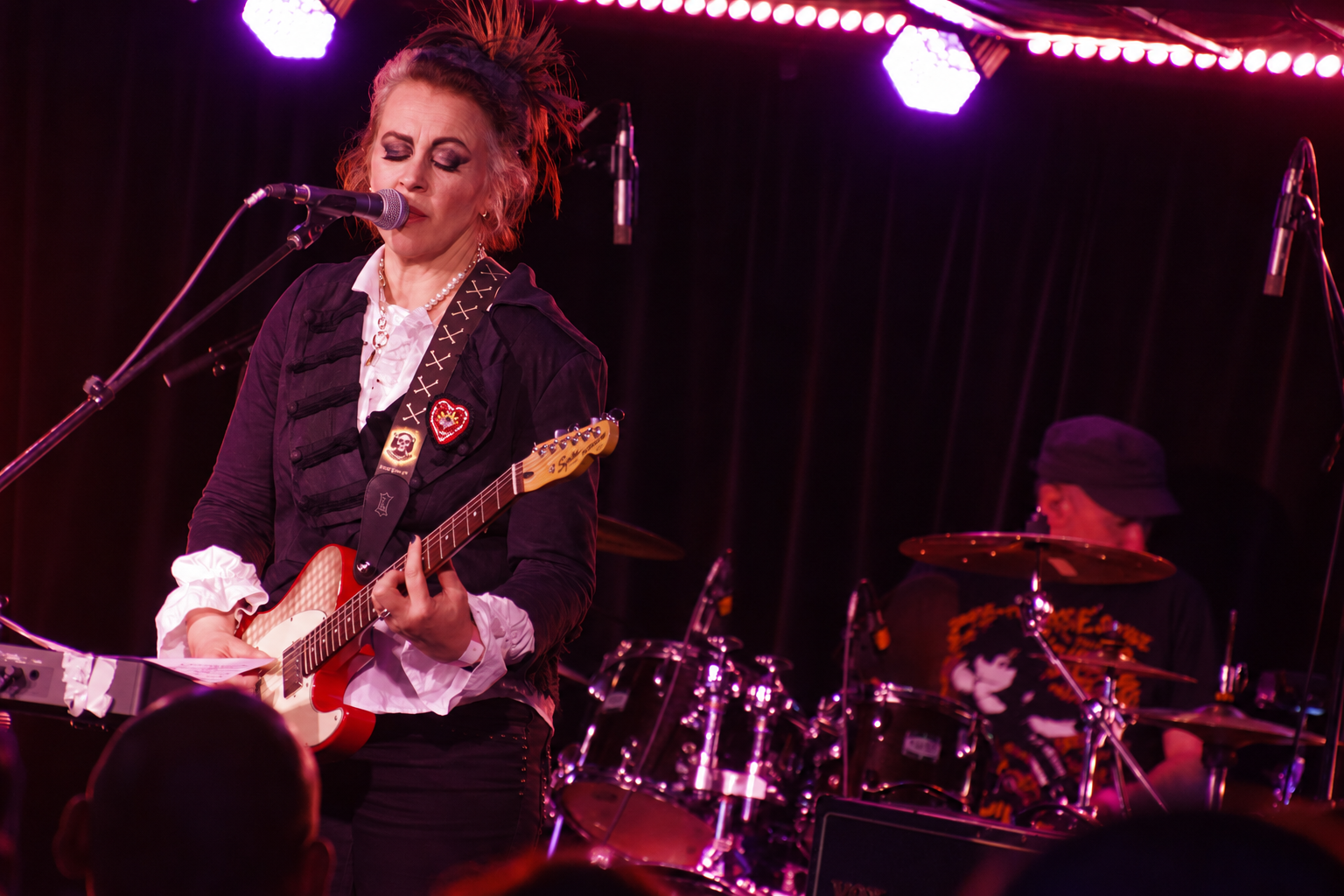
Three songs in, guitarist Nick Ford breaks a string.
Unfortunately, despite having a spare guitar sitting on stage, he decides to restring the broken one, creating a sizeable pause in the proceedings.
I later discover during the break that the spare guitar was drop D tuned, which explains why it couldn't simply be grabbed and played.
Fair enough.
But from the audience, all you see is a guitarist changing a string while everyone waits.
It's one of those moments where knowing the technical reason doesn't necessarily make the theatrical problem disappear.
Drummer Wade Byers has his work cut out for him throughout the night.
Trying to replicate Budgie is not exactly a Sunday afternoon stroll.
Budgie was a force of nature behind the Banshees' drum kit, and some of these songs are deceptively difficult. During "Happy House", Byers briefly loses the beat in the chorus, missing only a small section before recovering almost instantly.
Most people probably wouldn't notice.
I do.
That's partly because I go to far too many shows and have become annoyingly obsessive about these things.
So yes, I'm being particularly critical.
But that's the job.
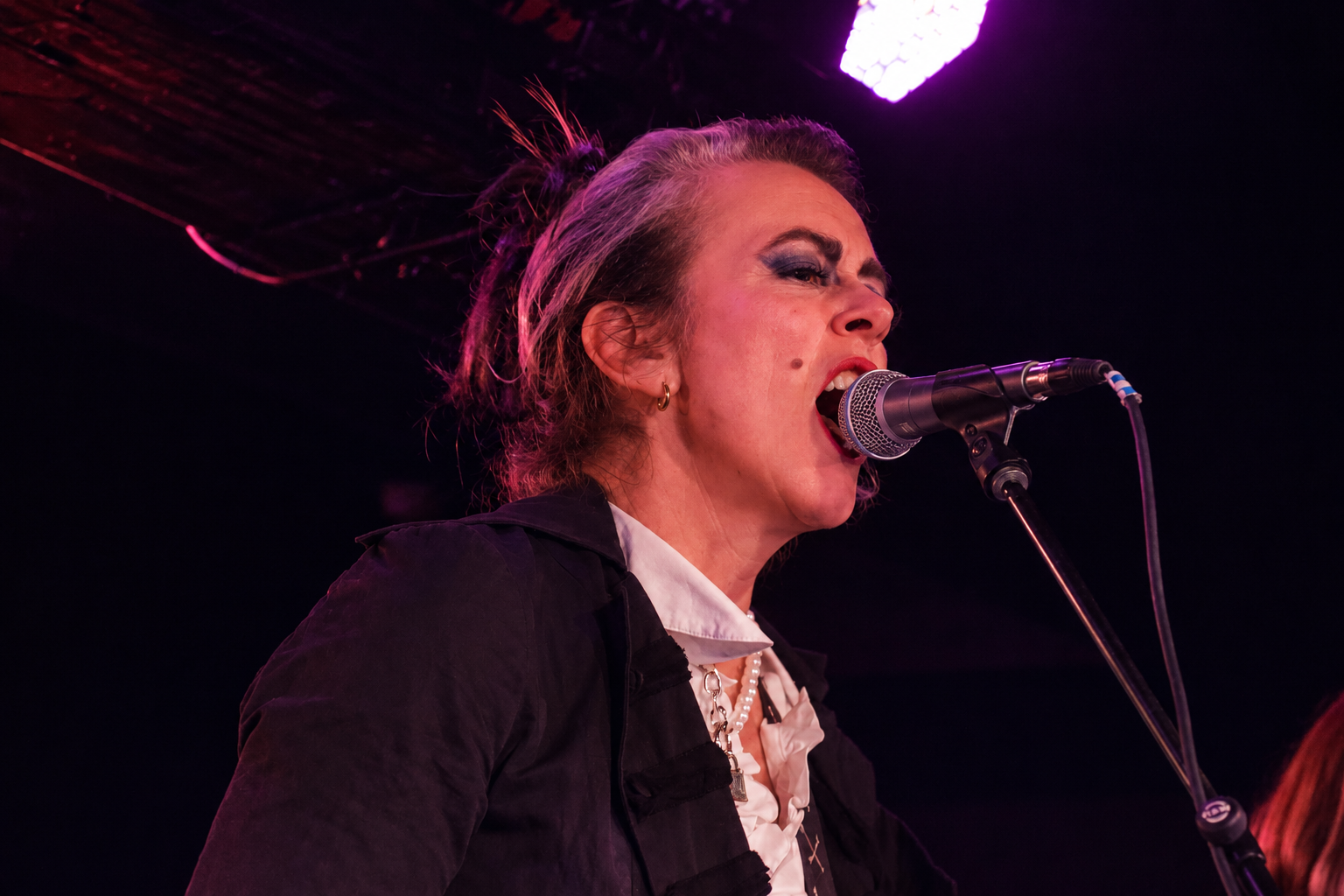
Then comes "Arabian Knights".
And suddenly the room belongs to the bass.
Baran's playing is excellent, giving the song the propulsion it needs while Byers keeps the rhythm moving underneath it.
Again, I'm probably showing my bias because this is another Juju favourite of mine.
But I'm not alone.
The audience is completely engaged.
People are swaying together, heads bobbing in unison, almost hypnotised by that unmistakable Banshees rhythm.
For a moment, Whammy Bar feels less like K Road in 2026 and more like some forgotten London club where post-punk is still being invented.
That's the magic of this music.
"Dazzle" initially struggles a little, with some sharp, slightly out-of-tune vocals, but once the band settles into it, the song finds its feet.
Cain is a relatively reserved front woman initially, but as the evening progresses she becomes increasingly entertaining.
At one point she holds up her guitar and announces:
"I like this guitar as it makes me look slim."
It is, admittedly, a very large guitar.
And she's not wrong.
The biggest problem tonight isn't the songs.
It's the gaps between them.
There are long pauses after every number, with very few songs flowing naturally into the next.
For a band built around atmosphere, that matters.
The Banshees were masters of tension. Their music often felt like it was dragging you somewhere you weren't entirely sure you wanted to go.
Here, that tension occasionally disappears while we're waiting for the next song.
Still, the first half finishes with "Cities in Dust", and it's an excellent way to leave the audience before the break.
The crowd is ready for more.
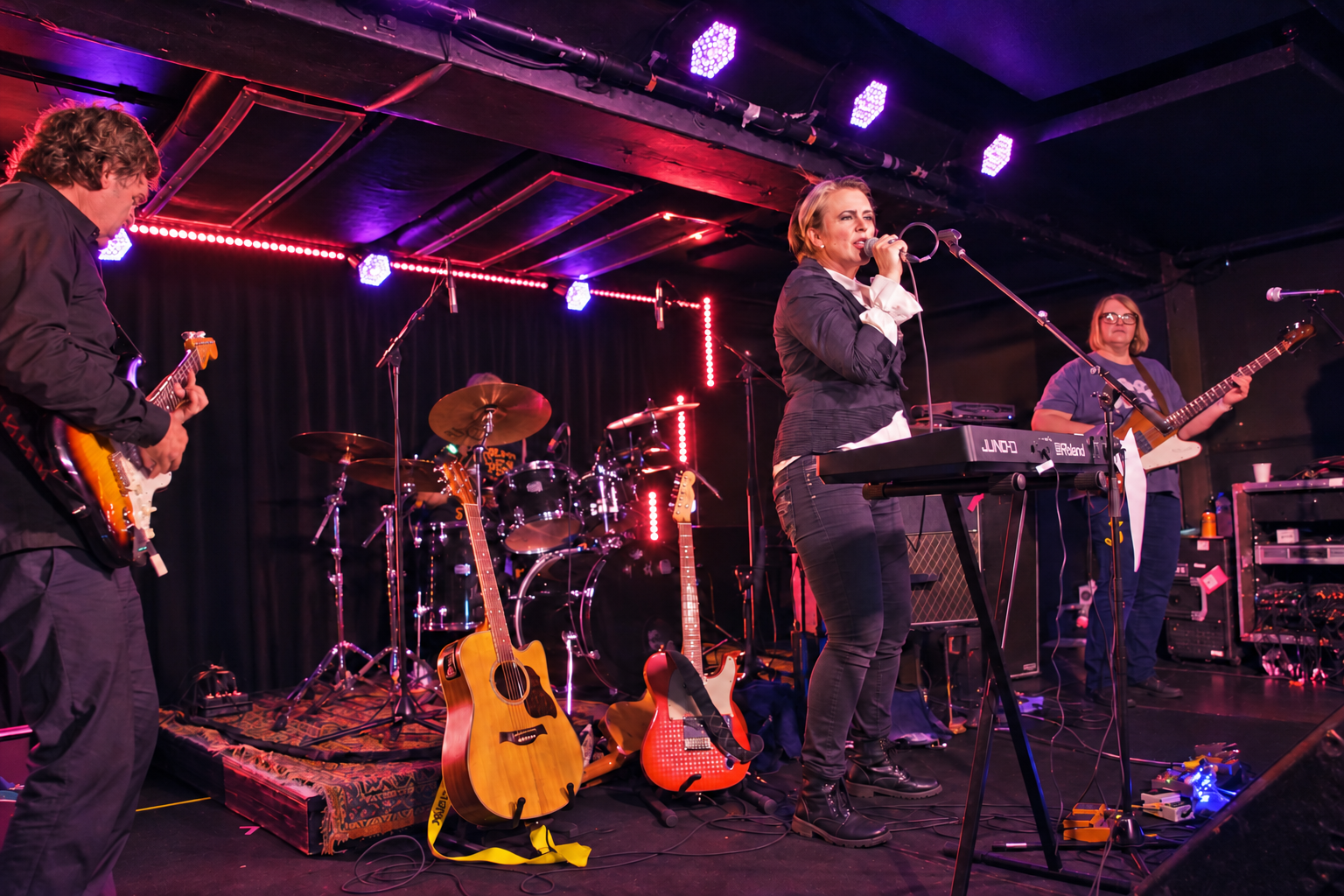
During the intermission I'm invited backstage into the green room to meet the band.
They're genuinely lovely.
Cain is particularly chatty and, after sharing a few things with me, suddenly stops and says something along the lines of:
"I think I've said too much. You don't have to write about this, do you?"
Don't worry, Penny.
What happens backstage stays backstage.
That's how I roll.
The stage, however, is another matter entirely.
That's where the stories are.
And fortunately, the band provides plenty.
The second set begins with "Metal Postcard", easing everyone back into the strange, dark world of the Banshees.
Then things really take off.
"Monitor."
"Halloween."
"Sin in My Heart."
Three more favourites from Juju, and suddenly I'm completely unapologetic about my album bias.
These songs still sound extraordinary.
Juju was released in 1981 and remains one of the key documents of the Banshees' most powerful period. Its track listing includes "Spellbound", "Arabian Knights", "Halloween", "Monitor", "Night Shift" and "Sin in My Heart”, essentially a greatest-hits album hiding inside one record.
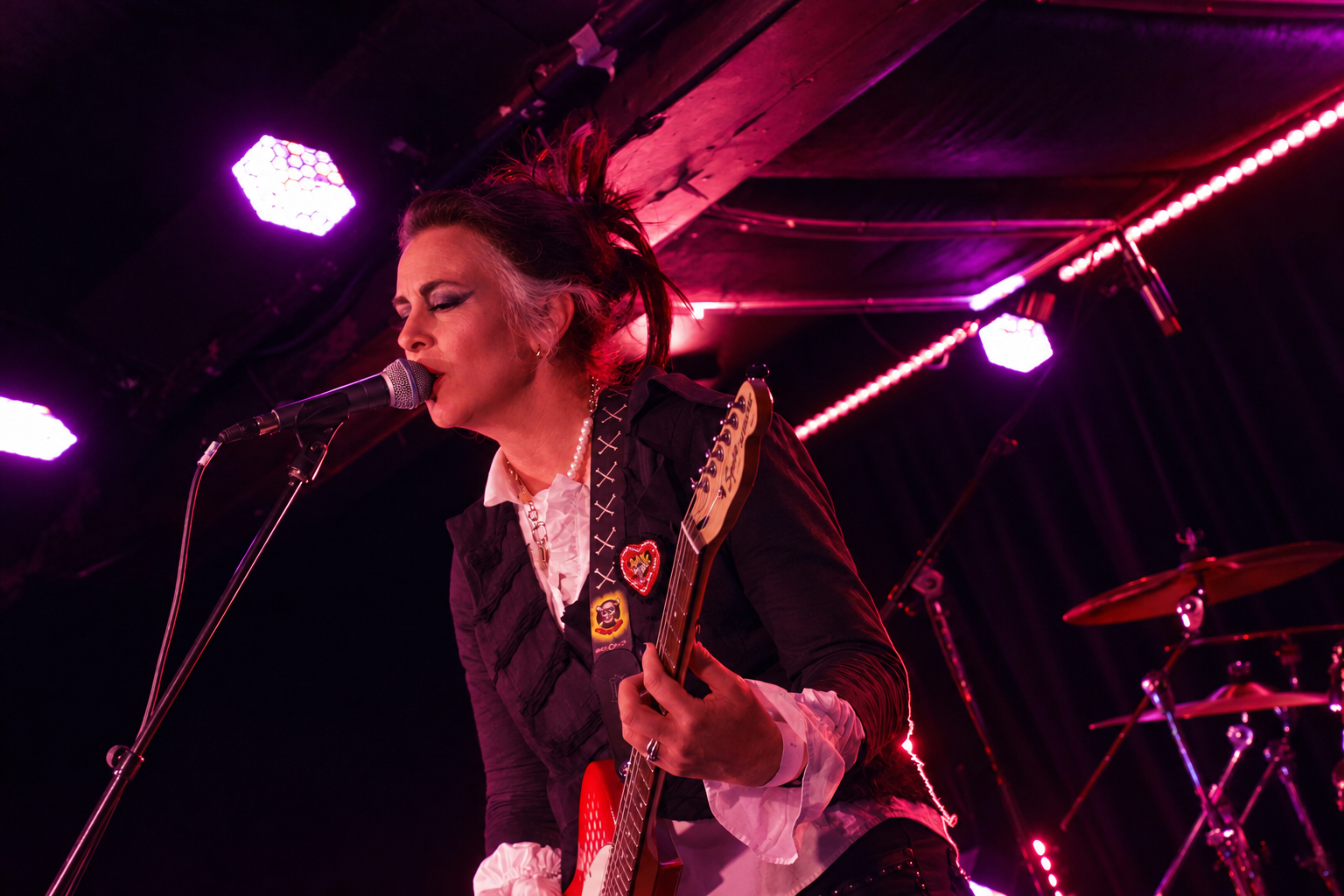
Then comes the audience favourite of the night:
"The Passenger."
Another cover of a cover, this time originally written by Iggy Pop and reinterpreted by the Banshees.
The room erupts.
Byers is now fully into it, looking every bit the part in tartan trousers and a Banshees shirt. Cain has also clearly made an effort with the wardrobe, and it works.
Ford and Baran, meanwhile, perhaps could have pushed the visual side a little further.
Image matters.
Especially with a band performing music from an era where image was almost as important as the music itself.
But this is all secondary once the songs kick in.
Cain throws another line into the room:
"This is a way better hobby than netball."
Nobody is arguing.
As the night begins to wind down, the band reaches the final two songs.
"Hong Kong Garden."
And then:
"Spellbound."
There's something strangely moving about hearing "Hong Kong Garden" in 2026.
The song was released in August 1978 and reached No. 7 on the UK Singles Chart, becoming one of the defining early post-punk singles.
Its history is also more complicated than the infectious xylophone-like opening might suggest. The song was inspired by Siouxsie's experiences around a Chinese restaurant in Chislehurst and her witnessing racist abuse directed towards its staff.
Some of the language and imagery in the song can sound uncomfortable to modern ears and has been criticised as relying on Asian stereotypes.
Tonight, however, the audience sings along.
Nobody appears interested in turning the moment into a history lecture.
They're here for the music, the memories and the sheer joy of hearing a song that has somehow survived almost half a century.
And then comes "Spellbound."
It's the perfect ending.
And perhaps it's worth remembering that Siouxsie and the Banshees themselves had one hell of a revolving door when it came to musicians.
Their first-ever drummer was Sid Vicious, yes, that Sid Vicious, before he became the bassist of the Sex Pistols. He didn't last long with the Banshees, but his involvement is another fascinating footnote in the band's already colourful history.
Then there's Robert Smith.
The Cure frontman and guitarist joined Siouxsie and the Banshees as their touring guitarist in 1979, before returning to the band in 1982 and remaining through 1984. So the connection between The Cure and the Banshees isn't simply something tribute bands have invented for convenience, it is very much part of the original story.
And then there's Marco Pirroni, for those who don't know him, the guitarist who would go on to become a key member of Adam and the Ants.
In other words, Siouxsie and the Banshees had already seen their fair share of remarkable musicians pass through their ranks long before tribute bands were attempting to recreate their music.
Which perhaps makes tonight at Whammy Bar feel even more appropriate.
The Banshees' music has always been bigger than any single line-up.
Musicians came and went.
The sound evolved.
The personalities changed.
But the songs survived.
And nearly five decades after that first blast of punk fury, they're still capable of filling a Auckland bar with people of completely different generations, all singing, dancing and remembering why they fell in love with this strange, dark, brilliant music in the first place.
The names may have changed. The musicians may have changed.
But the spell remains.
Reviewer: Paul Marshall
Photography by Paul Marshall
WATCH THE LIVE VIDEO at Paul Was There -